A managed authority system for expert-led B2B firms
Make the expertise that wins you work visible before the sales call.
The judgement your firm already sells becomes work the right buyers keep meeting, and every reply teaches the next piece. You talk, record when useful, approve and sell. We run everything else.
Built by someone who has done it
- 100m+
- views
- 10,000+
- conversions
The visibility gap
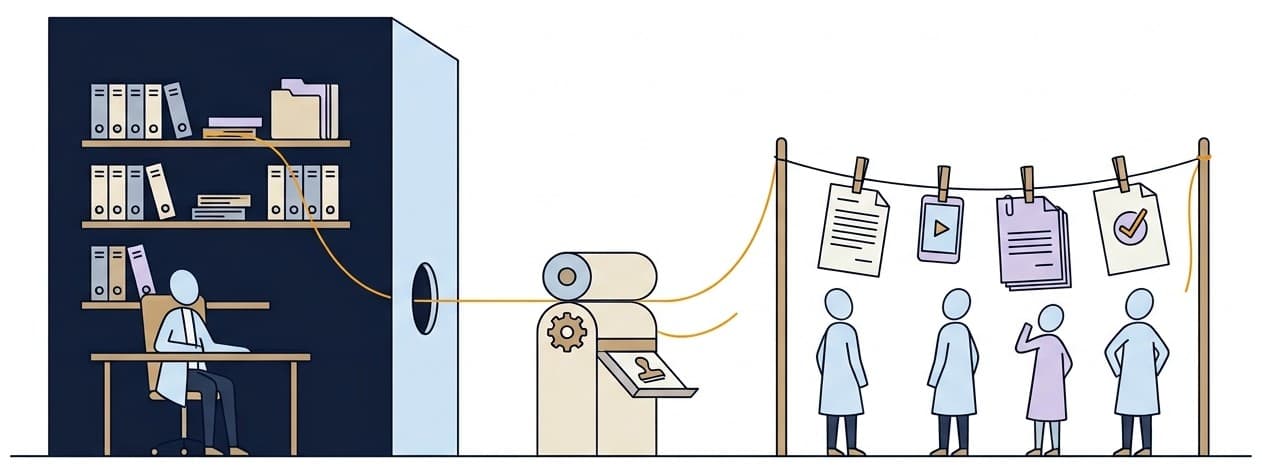
Strong firms know far more than the market does.
Inside the firm: years of judgement, hundreds of client conversations and a method that works. Outside: a website, a few posts and a buyer taking your word for it. That is not a marketing problem. It is a visibility problem, and it costs you every time a buyer decides without meeting your thinking.

What we build instead
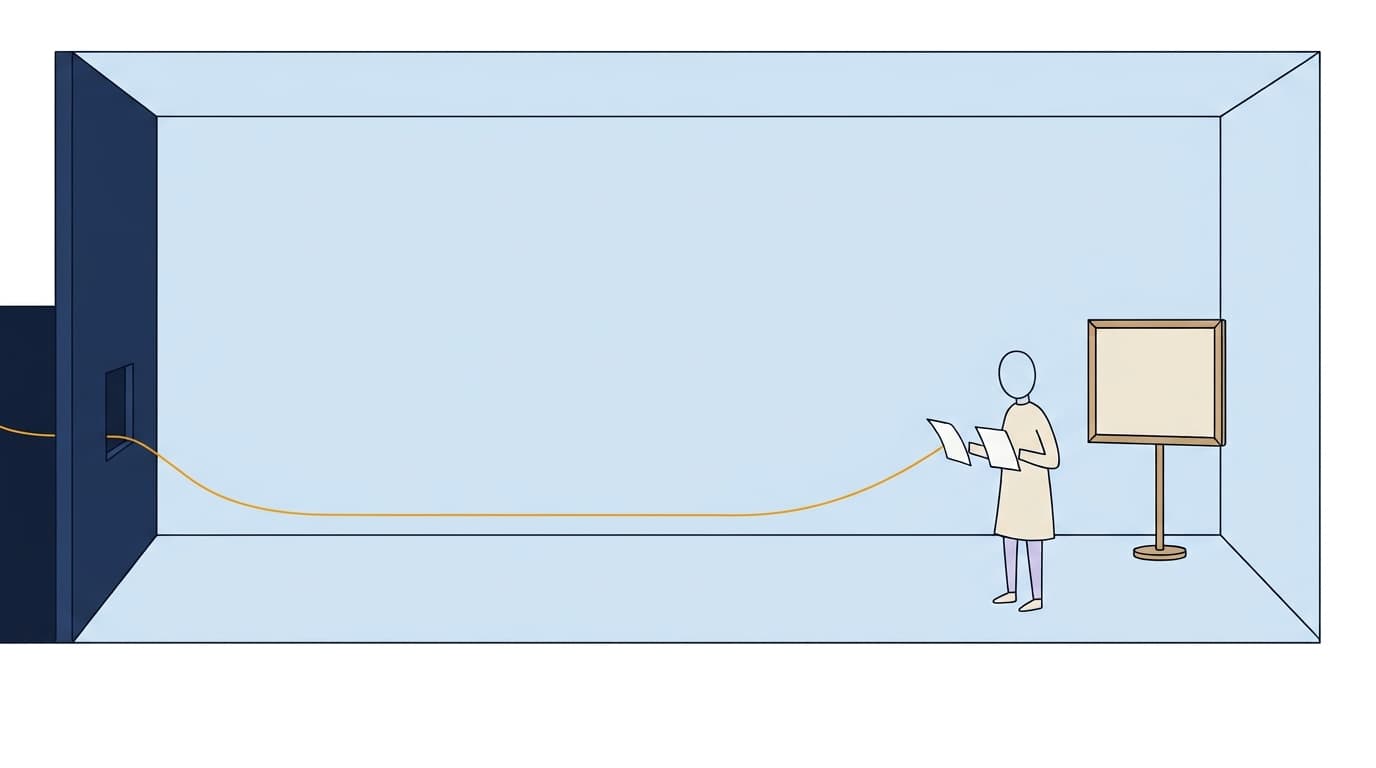
We are not trying to make you famous. We are trying to make you familiar to the people who matter.
 01 · StrangerA postread on the train, half-remembered
 02 · RecognisedA notekept at the desk for the argument in it
 03 · RememberedA short videosent to a colleague with one line
 04 · TrustedA proof noteanswered a question in a board meeting
 05 · ConversationA callwhen the problem finally arrived
A small pool of the right buyers keeps meeting your clear thinking, so when their problem arrives it is obvious who to call. Familiarity earns attention. Repeated useful attention builds authority. Authority makes every other channel work harder.
How we'll work together
You talk, record when useful, approve and sell. Threadline runs the system around you.
We ask only for the part nobody else can do. Everything around it is run, recorded and read back to you.
What Threadline doesApproval is the only handoff. Everything else comes to you finished.
- Research
- Positioning
- Scripting
- Editing
- Packaging
- Distribution
- Measurement
- Diagnosis








Our curated system
Your expertise goes in. A visible authority system comes out.
One root idea travels six stations. Each has one job and one person deciding. Nothing goes out unread, and nothing that comes back is wasted.
- Station 01
Listen
What your buyers are asking, objecting to and searching for, in their words.
- Station 02
Decide the idea
The fragments become one argument worth testing. One root idea at a time.
- Station 03
Make it
The idea becomes the formats it deserves, written, spoken or shown, in your voice, checked and approved.
- Station 04
Put it in the room
Published where your buyer actually is, with a link we can measure.
- Station 05
Read what came back
Visits, replies, requests, named enquiries: recorded with how sure we can be.
- Station 06
Change one thing
Expected is read against actual. The weak part is named, replaced, and the same idea is sent again.






One idea, multiple formats
One idea, multiple formats.
A root idea is not a post. It is an argument met in several formats, each chosen for the buyer and the room, each carrying the same thinking. Platforms are prescribed after diagnosis, not picked from a menu.
- 01Written postMakes the argument easy to meet
- 02Short videoLets the buyer hear the judgement behind it
- 03Working documentUseful enough to keep and pass on
- 04Conversation briefTurns a reply into a real discussion
Seen enough of the system?See if Threadline fits
How we test and iterate
Expected. Actual. Why. Change. Retest.
Before a piece goes out we write down what we expect it to do. Once it has travelled we read what it did, name the likeliest reason for any gap, change one thing and send it again. A calendar posts. This gets smarter.
What we think the piece will do, written before it goes out.
Illustrative case: Good idea, weak hook. Not a client result.
01 of 05 · Illustrative case
What we think the piece will do, written before it goes out.
Expected
- Relevance: about 82 of 100
- Opening: about 74 of 100
- Signal: about 70 of 100
What the engagement looks like
Slow on day one. Inevitable by day ninety.
- Day 30It feels quiet
- Day 60The evidence starts
- Day 90It compounds
- Weeks 1–4
It starts quietly.
We learn you, one buyer and one content combination. Root ideas go out, expectations are written down, and the first readings come in.
- Weeks 5–8
The evidence starts arriving.
Visits, saves, replies. Each is read against what we expected, one thing is changed and the same idea goes out again. The operation gets sharper every week.
- Weeks 9–12
The loop is running.
The weekly report shows what is true for your market: which idea travels, which room answers, which opening line lands. From here the system compounds.
Before you ask
The questions every founder asks first.
What do you need from me?+
About twenty minutes of recording a week when it is useful, and one approval pass. You talk, record, approve and sell. We run everything else.
Do I have to be on camera?+
Only where being on camera adds trust. Most of the work is written, spoken or shown, and the format is chosen per idea, not per platform.
Which platforms?+
The ones your buyers are actually in. Platforms are prescribed after diagnosis, not picked from a menu.
How fast can we start?+
Onboarding takes 10 to 14 days: your voice, your positioning and your buyer, mapped before the first piece goes out.
Is there a long contract?+
No. Engagements run month to month. Authority compounds, so we recommend committing to at least the first twelve weeks.
How long before it works?+
The first engagement is twelve weeks in three four-week periods. The first is quiet by design. By the third, the system runs on evidence from your own market.
What does it cost?+
Commercial terms are discussed on the call, once we both know it fits. We take a small number of firms at a time.
Is this about leads and views?+
Leads, views and followers are not the scoreboard. Named enquiries and conversations are, and every one is recorded with its evidence.
Who owns the content?+
You do. Every piece, transcript and asset lives in your workspace and stays yours.
Are you an agency?+
No. Threadline is a managed system: one root idea at a time, run station by station, and read back to you every week.
Your expertise already wins you work. The question is whether the market sees enough of it.
A small number of firms at a time. Applications are read by a person and answered either way, including when the answer is that we are not the right fit.